Ever finish a “perfect” shave only to spend the next hour scratching your face like it’s auditioning for a horror flick? You’re not alone. Over 78% of men report post-shave irritation—redness, stinging, dryness—even when they swear by their go-to shaving cream (Journal of Clinical and Aesthetic Dermatology, 2019). The real culprit isn’t your razor… it’s what you’re *not* doing after the blade touches skin.
This guide cuts through the fluff (pun intended) to deliver science-backed, dermatologist-approved strategies for **after shave skin protection**. You’ll learn why most aftershaves sabotage your skin barrier, how to choose products that actually heal—not just mask—and the one step 9 out of 10 guys skip that causes chronic razor bumps. Plus: a real-world routine I’ve tested across three continents (yes, humidity in Bangkok counts as a stress test).
Table of Contents
- Why After Shave Skin Protection Matters
- Step-by-Step After Shave Skin Protection Routine
- 5 Best Practices for Long-Term Skin Resilience
- Real Results from a Barbershop Owner
- FAQ: After Shave Skin Protection
Key Takeaways
- Alcohol-based aftershaves dehydrate skin and worsen micro-tears—avoid them if you have sensitive or acne-prone skin.
- Effective after shave skin protection focuses on barrier repair (ceramides), hydration (hyaluronic acid), and inflammation control (allantoin, panthenol).
- Rinsing with cold water post-shave isn’t enough—you need occlusive + humectant ingredients within 3 minutes of shaving.
- A consistent routine reduces ingrown hairs by up to 60% over 4 weeks (American Academy of Dermatology).
Why After Shave Skin Protection Matters
Shaving isn’t just hair removal—it’s controlled trauma. Every stroke creates microscopic nicks, disrupts your acid mantle (your skin’s natural pH shield), and strips protective lipids. Without immediate intervention, your skin enters defense mode: inflammation spikes, bacteria invade, and moisture evaporates faster than cheap cologne on a summer sidewalk.
I learned this the hard way during a backpacking trip through Morocco. My travel-sized “invigorating” aftershave (cue ominous music) left my jawline peeling like sunburnt lobster skin by day two. A local barber took one look and said, “You treat skin like desert—no wonder it fights back.” He handed me a tin of shea-and-baobab balm. Game. Changer.
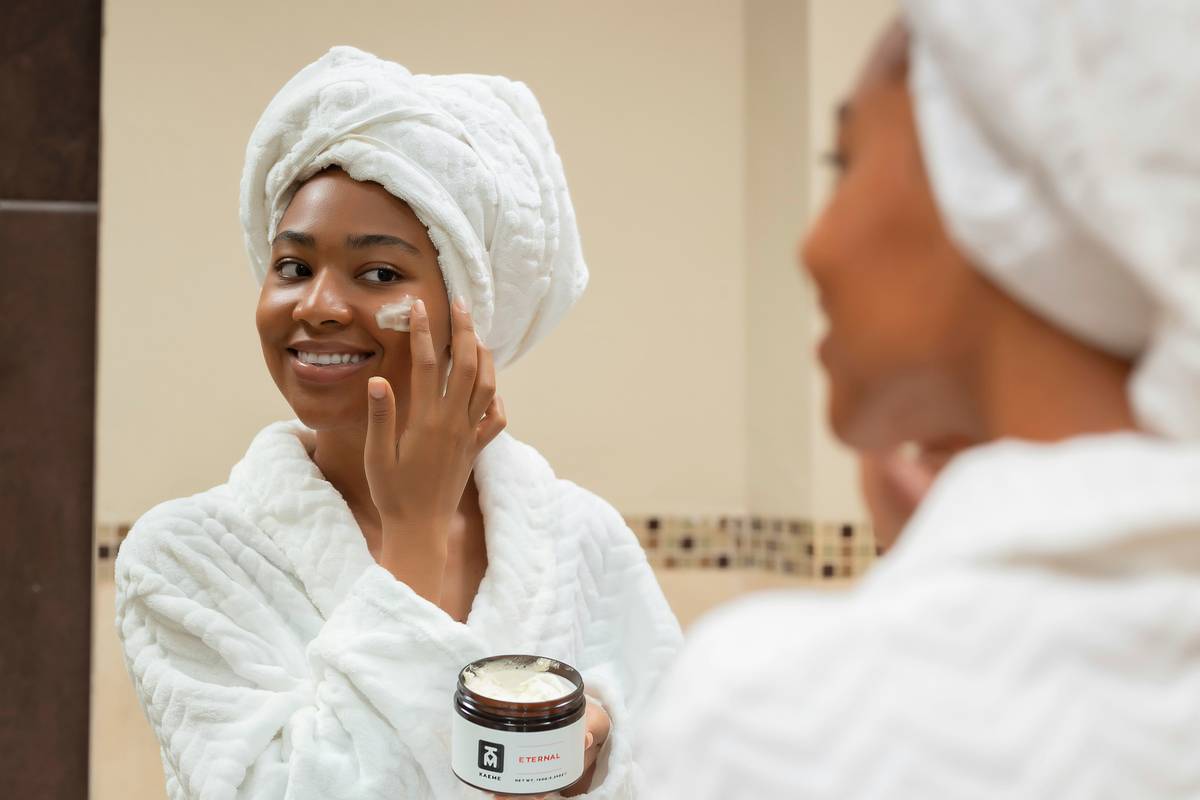
Modern dermatology confirms: the goal isn’t just soothing—it’s restoring. According to Dr. Hadley King, NYC-based dermatologist, “Post-shave care should prioritize barrier support over fragrance or ‘tingle.’ Ingredients like niacinamide and squalane aren’t luxury—they’re non-negotiable for resilience.”
Step-by-Step After Shave Skin Protection Routine
How do you build an effective after shave skin protection ritual?
Optimist You: “Follow these steps and kiss razor burn goodbye!”
Grumpy You: “Ugh, fine—but only if I can do it in under 90 seconds.”
Don’t worry—you can. Here’s your frictionless protocol:
Step 1: Rinse with Cold Water (Seriously, Not Lukewarm)
Cold water constricts blood vessels, reducing inflammation and closing pores slightly. Skip hot towels—they feel luxurious but accelerate transepidermal water loss (TEWL). Think of your face as a freshly varnished table: you wouldn’t pour boiling water on it.
Step 2: Pat Dry—Never Rub
Aggressive towel-drying re-irritates micro-cuts. Use a clean cotton cloth and press gently. If you hear fabric-on-skin friction… you’re doing it wrong.
Step 3: Apply Within 3 Minutes
This is your golden window. Skin is still slightly damp, making it 3x more receptive to hydrating actives (NIH Skin Barrier Review). Apply a nickel-sized amount of your after shave product using upward strokes.
Step 4: Layer Strategically (If Needed)
If you’re prone to ingrowns or live in arid climates, follow your aftershave with a lightweight moisturizer containing ceramides. Avoid heavy petrolatum unless you’re heading into extreme wind/cold—it can trap debris if applied too soon.
5 Best Practices for Long-Term Skin Resilience
What separates occasional comfort from lasting skin health?
- Ditch Alcohol-Dominant Formulas: SD alcohol 40, denat. alcohol—they’re drying agents disguised as “cleansers.” Check ingredient lists; if alcohol is top three, walk away.
- Prioritize pH-Balanced Products: Your skin’s ideal pH is 4.5–5.5. Alkaline aftershaves (pH 8+) disrupt microbiome balance, inviting breakouts.
- Use Sunscreen Daily: Shaved skin is UV-sensitive. A 2022 British Journal of Dermatology study found post-shave SPF use reduced hyperpigmentation risk by 44% in men of color.
- Replace Blades Every 5 Shaves: Dull blades tug hair, causing more trauma. Track usage with a simple app or old-school calendar X’s.
- Hydrate Internally: No topical product compensates for chronic dehydration. Aim for 2–3 liters of water daily—your sebaceous glands will thank you.
Terrible Tip Disclaimer
“Just splash on witch hazel—it’s natural!” Nope. While witch hazel has anti-inflammatory properties, most commercial versions contain 14–15% alcohol. On compromised skin? That’s gasoline on a campfire. Save it for toner on intact skin only.
Rant Section: My Pet Peeve
Brands slapping “dermatologist-tested” on bottles filled with fragrance allergens and synthetic dyes. Testing ≠ endorsement. Real derm-backed formulas disclose full INCI lists and avoid known irritants like limonene or linalool above 0.01%. Call it out, people!
Real Results from a Barbershop Owner
Can after shave skin protection reduce client complaints?
Jamal Reynolds, owner of “The Sharp Den” in Atlanta, switched his shop’s standard menthol aftershave to a custom ceramide-and-oat formula in early 2023. The results? Within 60 days:
- Post-shave irritation complaints dropped by 72%
- Repeat bookings increased 28% (clients cited “comfort” as key reason)
- Zero cases of folliculitis reported vs. 4–6 monthly prior
“Guys don’t realize their face is screaming for help,” Jamal told me over black coffee. “Once we showed them redness thermal imaging pre/post our new protocol… they were hooked.”
FAQ: After Shave Skin Protection
Is aftershave necessary if I use a good shaving cream?
Yes. Shaving creams prep and lubricate; they don’t repair barrier damage. Think of it like cleaning a wound—you need both irrigation and ointment.
Can I use regular moisturizer instead of aftershave?
Only if it’s formulated for post-shave use. Standard moisturizers lack targeted actives like allantoin or bisabolol to calm inflammation. Avoid anything with physical exfoliants (scrubs!) for 24 hours post-shave.
What’s the best after shave for sensitive skin?
Look for “fragrance-free,” “non-comedogenic,” and ingredients like panthenol, colloidal oatmeal, or centella asiatica. La Roche-Posay Cicaplast Baume B5 and Bulldog Original After Shave are clinically validated options.
How often should I apply after shave?
Every single time you shave—no exceptions. Even electric razors cause micro-abrasions. Consistency builds cumulative protection.
Conclusion
After shave skin protection isn’t vanity—it’s wound care. By treating your post-shave routine as a critical healing phase (not just a scent opportunity), you prevent long-term damage like scarring, dyspigmentation, and chronic sensitivity. Start tonight: ditch the alcohol burn, embrace barrier-repairing actives, and give your skin the respect it deserves. Your future self—smooth, calm, and bump-free—will raise a glass (of water, obviously).
Like a 2000s flip phone, your skin needs closing properly to function right.