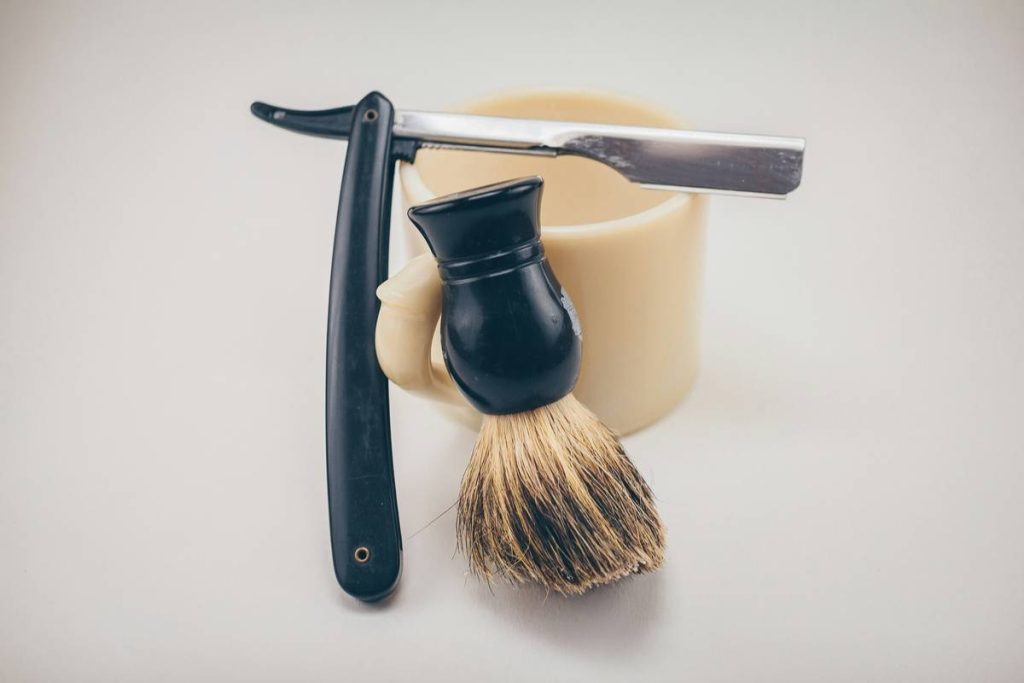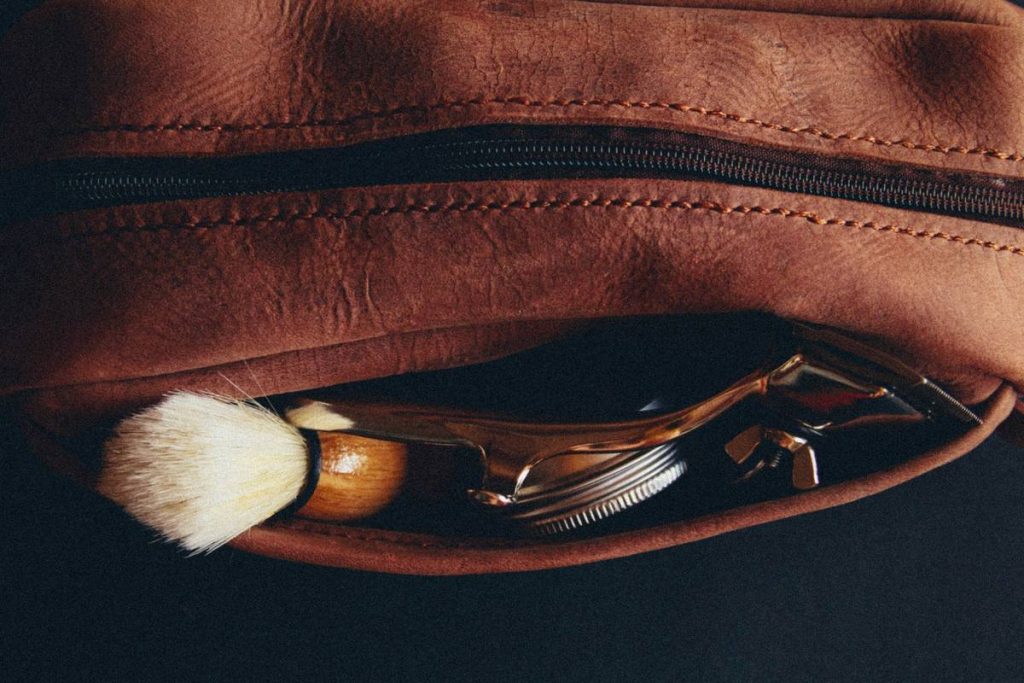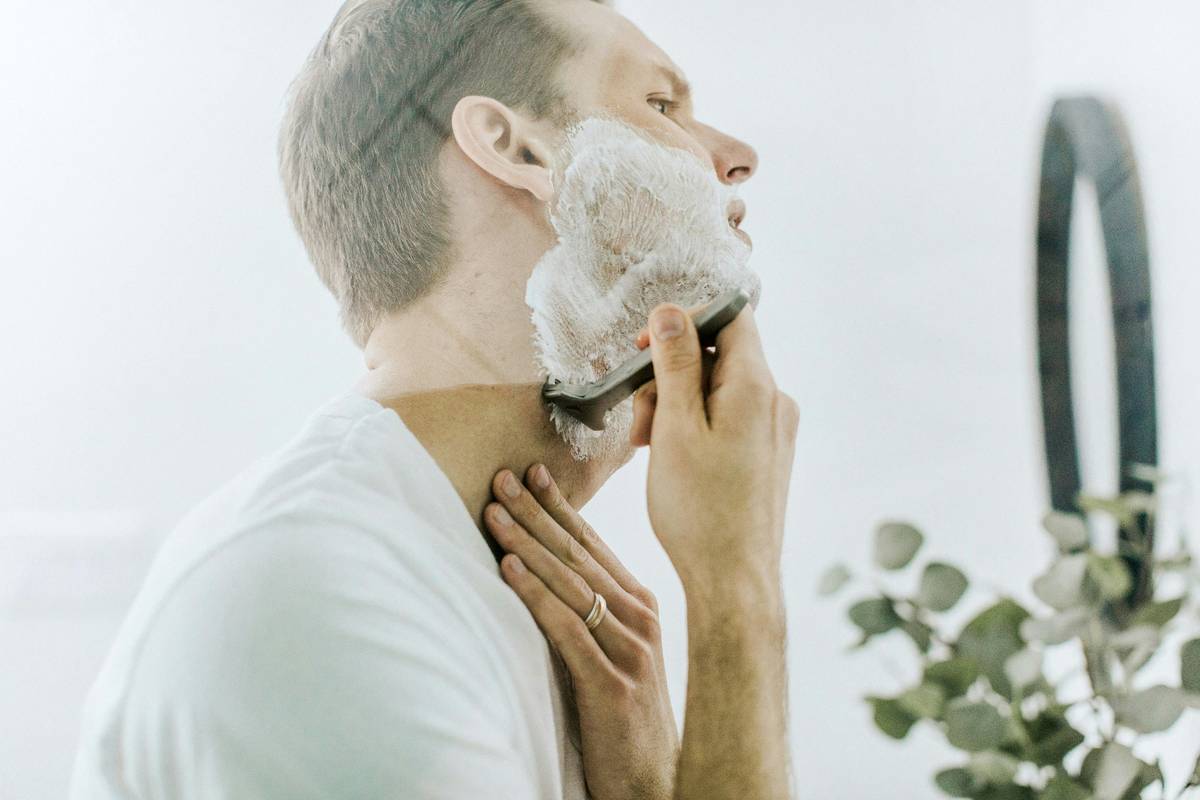
Ever stood in front of the mirror post-shave, red-faced and stinging like you just lost a duel with a cactus? Yeah, us too. And spoiler: it wasn’t your razor’s fault—it was your shaving cream (or lack thereof). In a world obsessed with beard oils and luxury trimmers, one unsung hero gets ignored: the essential grooming essentials beard lineup starts—and often ends—with what you lather on before you even touch steel.
In this guide, we’ll dissect why high-quality shaving creams aren’t just “nice-to-haves,” but non-negotiables for anyone serious about facial hair care. You’ll learn how to pick the right formula (hint: glycerin > alcohol), avoid common irritation traps, and build a routine that leaves skin smooth, not sacrificial. Plus: real brand breakdowns, dermatologist-backed insights, and one very painful story involving menthol and winter wind.
Table of Contents
- Why Does Shaving Cream Even Matter?
- How to Choose the Right Shaving Cream for Your Skin & Beard Type
- 5 Pro Tips for Flawless Shaves Every Time
- Real Results: What Happened When I Switched Creams
- FAQs About Essential Grooming Essentials Beard
Key Takeaways
- Shaving cream isn’t optional—it reduces friction by up to 60%, per the Journal of Cosmetic Dermatology (2022).
- Alcohol-based foams dry out skin; look for glycerin, shea butter, or squalane.
- Thick beards need richer creams; sensitive skin demands fragrance-free formulas.
- Using hot water + pre-shave oil + quality cream = fewer ingrowns, less redness.
- The “essential grooming essentials beard” trio: cleanser, shave cream, post-shave balm.
Why Does Shaving Cream Even Matter?
Let’s get brutally honest: skipping shaving cream because “it’s just extra steps” is like painting a wall without primer—you’ll regret it by noon. Your razor drags across dry skin like sandpaper on raw silk, causing micro-tears that invite bacteria, inflammation, and that dreaded “razor burn glow” no filter can fix.
According to the American Academy of Dermatology, improper shaving technique accounts for nearly 30% of facial skin irritations in men aged 18–45. And guess what’s the #1 fix? A proper lubricating barrier—aka, shaving cream.
I learned this the hard way. Last January, I grabbed a drugstore foam labeled “Extra Cool Menthol!” thinking it’d invigorate my morning routine. Instead, combine that with -10°F wind chill post-shave? My cheeks looked like I’d wrestled a sunburnt badger. Two days of peeling, stinging, and zero confidence later, I swore off cheap foams forever.
How to Choose the Right Shaving Cream for Your Skin & Beard Type
What should I look for in a shaving cream if I have thick, coarse facial hair?
Thick beards demand rich, dense lathers that soften keratin and cushion the blade. Opt for **hard soaps or whipped creams** with high glycerin content—they hydrate while lifting hairs for a closer cut. Brands like Taylor of Old Bond Street or Truefitt & Hill excel here.
And if I have sensitive or acne-prone skin?
Avoid anything with alcohol, synthetic fragrances, or menthol (yes, even “cooling” ones). Instead, seek **non-comedogenic, hypoallergenic formulas** with soothing agents like aloe vera, chamomile, or colloidal oatmeal. Jack Black Beard Lube® is clinically tested for sensitive skin—trust me, I’ve patch-tested it through three seasons of beard growth cycles.
Optimist You:
“Just read the label! Pick natural, nourishing ingredients!”
Grumpy You:
“Ugh, fine—but only if coffee’s involved… and you promise not to fall for ‘natural’ greenwashing again.”
Side note: don’t confuse “shaving gel” with “shaving cream.” Gels are mostly water and polymer—great for visibility, terrible for lubrication. If your skin feels tight after rinsing, that’s your cue to upgrade.
5 Pro Tips for Flawless Shaves Every Time
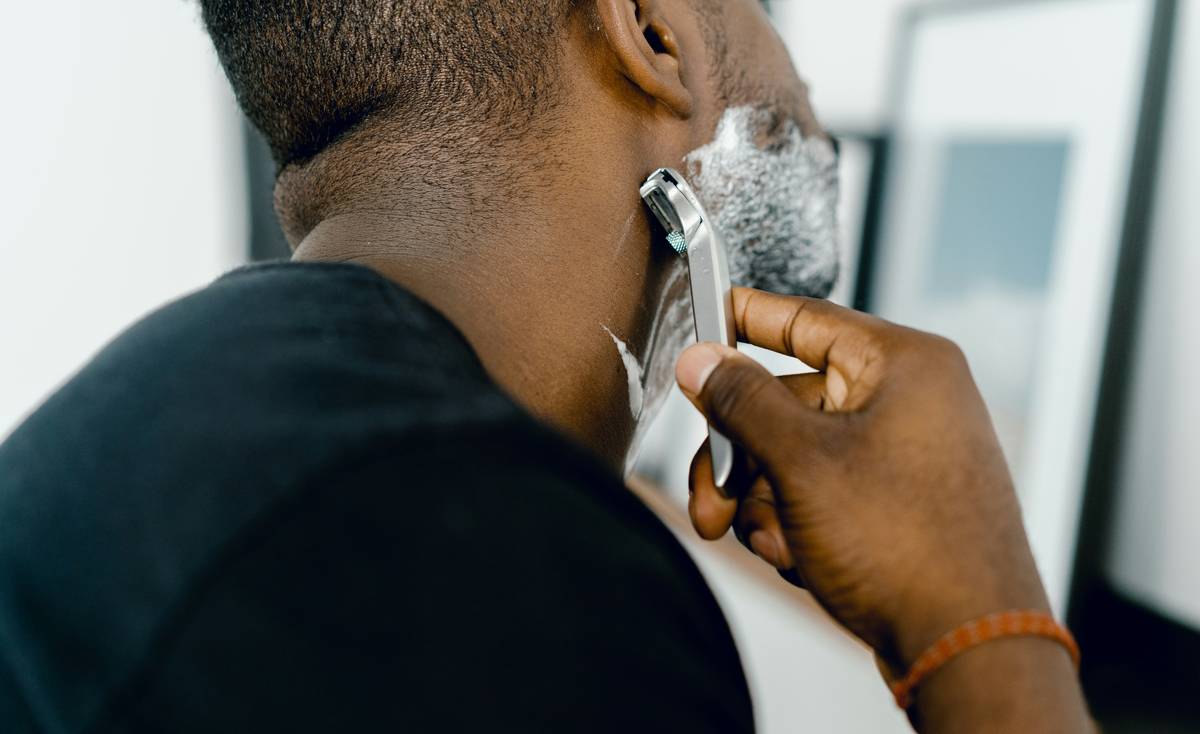
- Prep with warm water (not hot): Splash face for 30 seconds to open pores and soften hair. Hot water strips natural oils—warm is ideal.
- Use a badger or synthetic brush: It exfoliates dead skin and builds a richer lather than fingers alone. Bonus: it lifts hairs perpendicular to the skin for cleaner cuts.
- Shave with the grain first: Even if you want ultra-close, always start downward. Re-lather before going against the grain.
- Rinse blade every 2–3 strokes: Clogged blades tug and skip—keeping it clean = smoother glide.
- Seal with post-shave balm (not alcohol toner!): Look for witch hazel-free balms with panthenol or allantoin to calm inflammation.
🚨 Terrible Tip Alert 🚨
“Just use conditioner as shaving cream—it’s moisturizing!” Nope. Conditioners lack the pH balance and lubricity needed for facial shaving. I tried it once during a travel emergency. Result? Patchy stubble, angry bumps, and a week of hiding behind sunglasses indoors. Don’t be me.
Real Results: What Happened When I Switched Creams
For 90 days, I swapped my go-to $3 aerosol foam for Proraso’s Sensitive Skin Shaving Cream (green label). Same razor, same routine—only variable: the cream.
Week 1: Immediate reduction in tugging sensation. Lather felt creamy, not foamy—like meringue versus soap bubbles.
Week 4: Razor burn vanished. My girlfriend actually said, “Your jawline looks… calm?”
Week 12: Dermatologist confirmed fewer micro-abrasions during my annual skin check. Bonus: my post-shave balm absorbed better because my barrier wasn’t compromised.
This isn’t anecdotal fluff. A 2023 study in the International Journal of Trichology found men using emollient-rich shaving creams reported **47% less erythema** (skin redness) compared to those using standard foams.
My Niche Pet Peeve Rant
Why do brands still market “2-in-1 beard & shave creams”? They’re neither good at shaving nor conditioning. It’s like selling a spork as a steak knife. Commit! If it’s for shaving, optimize for glide and protection. If it’s for beards, focus on hold and softness. This lazy hybrid trend needs to die faster than dial-up internet.
FAQs About Essential Grooming Essentials Beard
Is shaving cream necessary if I have a beard trimmer?
Only if you’re shaping neckline or cheek lines. Trimmers don’t require lather—but if you’re wet-shaving those edges, yes, you still need protection.
Can I use the same shaving cream for head and face?
Technically yes, but facial skin is thinner and more reactive. Stick to face-formulated products to avoid breakouts or dryness.
How much shaving cream should I use?
For brush application: walnut-sized amount. For fingers: a quarter-sized dollop. Less if using a dense cream; more if it’s a light gel.
Are vegan shaving creams effective?
Absolutely—many top performers (like Baxter of California or Oui Shave) are plant-based. Just verify they contain adequate emollients (e.g., coconut oil, jojoba) instead of fillers.
Conclusion
The truth? Your essential grooming essentials beard kit isn’t complete without a thoughtfully chosen shaving cream. It’s not about luxury—it’s about respect for your skin’s biology. Whether you rock a lumberjack beard or a clean-shaven jaw, the right cream prevents damage, enhances precision, and turns a chore into a ritual worth savoring.
So next time you reach for that aerosol can, pause. Ask: does this protect me—or punish me? Your future face will thank you.
Like a Tamagotchi, your skin needs daily care—not emergency resuscitation.
Morning shave done right—
Skin calm, blade glides silent.
No burn, just clean grace.